Average Accident Cost
The average hospitalization for a household accident (ingestion, fracture) is $2,450. → "So what?" That's equivalent to 2 years of insurance premiums. A single incident can pay for years of coverage.
Pet Insurance for Indoor Cats: Is It Worth It?
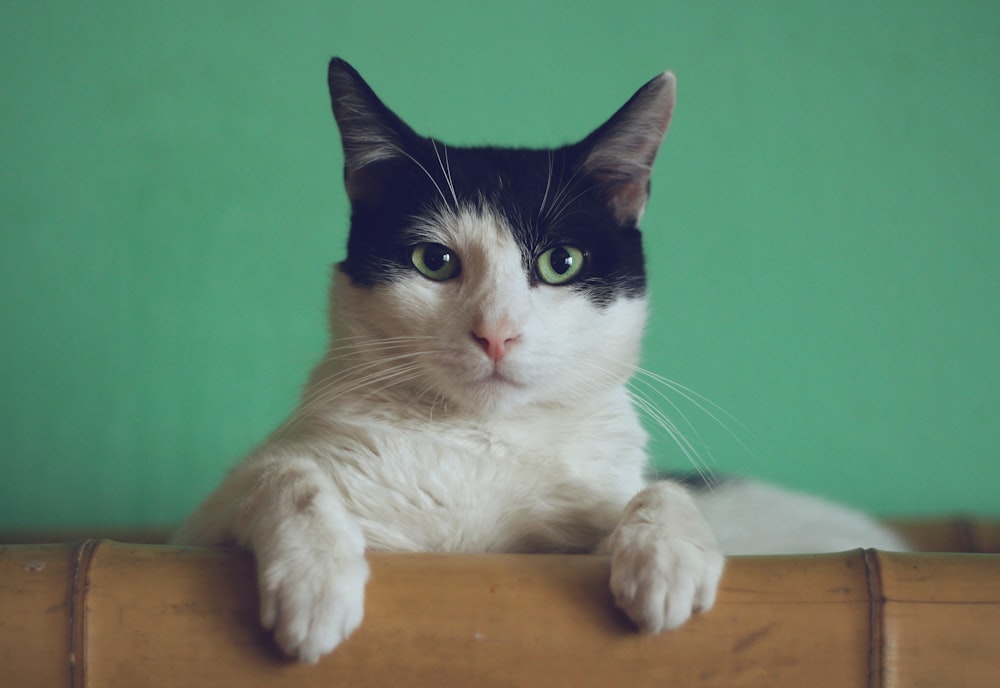
Many indoor cat owners assume their cats don't need pet insurance because they're "safe" inside. This is a common and costly misconception. While indoor cats face fewer traumatic injuries, they are equally susceptible to illnesses — and illnesses account for the majority of veterinary spending. Kidney disease, hyperthyroidism, diabetes, cancer, and urinary issues don't discriminate between indoor and outdoor cats.
Common Health Issues in Indoor Cats
Indoor cats tend to live longer than outdoor cats — often 14–18 years vs 10–14 years — which means they have more time to develop age-related illnesses. Chronic kidney disease affects roughly 30% of cats over age 15. Hyperthyroidism is the most common endocrine disorder in senior cats, requiring daily medication costing $20–$60/month or a one-time radioactive iodine treatment costing $1,500–$2,500. Diabetes requires insulin injections and regular glucose monitoring. These conditions are expensive, chronic, and covered by comprehensive insurance.
Indoor vs Outdoor Cat Insurance Costs
| Coverage Type | Indoor Cat (Monthly) | Outdoor Cat (Monthly) |
|---|---|---|
| Accident-only | $5–$12 | $8–$18 |
| Comprehensive, young cat | $15–$25 | $18–$30 |
| Comprehensive, adult (5yr) | $20–$35 | $25–$45 |
| Comprehensive, senior (10yr) | $35–$65 | $45–$80 |
Why Indoor Cats Still Need Comprehensive Coverage
Indoor cats are not accident-free — they fall from furniture and windows, ingest household toxins (lilies, essential oils, certain foods), and can be injured by other pets in the home. But more importantly, their illness risk is nearly identical to outdoor cats. A single chronic illness diagnosis — kidney disease, inflammatory bowel disease, or cancer — generates the same treatment costs whether your cat is indoor or outdoor.
What Indoor Cat Insurance Should Cover
The most valuable coverages for indoor cats are: chronic disease management (kidney disease, hyperthyroidism, diabetes, IBD), cancer treatment, dental illness, urinary conditions (especially FLUTD in male cats), and diagnostic testing (blood panels, ultrasound). These are the conditions most likely to affect indoor cats over their lifetime. A comprehensive plan that covers all of these provides meaningful financial protection for the 15–18 years your indoor cat may live.
Understanding Typical Veterinary Costs for Indoor Cat Conditions
While indoor cats might avoid the dramatic accidents common to outdoor felines, they are certainly not immune to needing significant veterinary care. Understanding the potential costs associated with common indoor cat health issues is crucial when evaluating the worth of pet insurance. These figures can quickly escalate, turning a manageable premium into a wise investment against unexpected financial strain.
Many indoor cat ailments, though less flashy than trauma, require extensive diagnostics, medications, or ongoing management that accumulates substantial bills over time. For instance, dental disease, often overlooked, can lead to painful infections and require costly extractions. Urinary tract issues, particularly obstructions in male cats, are emergencies demanding immediate, expensive intervention. Obesity-related conditions like diabetes or arthritis can lead to lifelong medication and monitoring, with annual costs easily reaching into the thousands.
Consider the following estimated veterinary costs for common indoor cat health problems in Canada. These are general ranges and can vary significantly based on location, clinic, and the complexity of the specific case:
| Condition | Description of Treatment | Estimated Cost Range (CAD) |
|---|---|---|
| Dental Cleaning & Extractions | Full dental cleaning, X-rays, anesthesia, medication, possible tooth extractions. | $400 - $1,200+ |
| Feline Lower Urinary Tract Disease (FLUTD) / Blockage | Diagnosis, catheterization, hospitalization (1-3 days), pain management, X-rays, blood work. | $800 - $3,000+ |
| Diabetes Mellitus | Initial diagnosis (blood work, urine tests), insulin, syringes, glucose monitoring equipment, ongoing vet visits. | $1,000 - $3,000+ annually |
| Chronic Kidney Disease (CKD) | Diagnosis, IV fluids, specialized diet, medications, blood pressure monitoring, ongoing blood work. | $500 - $2,500+ annually |
| Gastroenteritis (severe) | Diagnosis (blood work, fecal test, X-rays), IV fluids, anti-nausea medication, antibiotics, hospitalization. | $300 - $1,000+ |
| Allergies (Dermatitis) | Diagnosis (skin tests, elimination diet), medications (steroids, antihistamines), specialized food, ongoing management. | $300 - $1,500+ annually |
| Minor Injury (e.g., Sprain, Laceration) | Exam, X-rays, bandaging, pain medication, follow-up. | $200 - $800 |
These figures illustrate that even for a seemingly low-risk indoor cat, the potential for significant veterinary expenses is real. Pet insurance offers a way to mitigate these unpredictable costs, ensuring you can prioritize your cat's health without undue financial stress.
Evaluating Policy Terms: What to Look for Beyond Price
When selecting pet insurance for your indoor cat, focusing solely on the monthly premium can be a costly mistake. The true value of a policy is embedded in its specific terms and conditions, which directly influence your out-of-pocket expenses when your cat needs care. A comprehensive understanding of deductibles, reimbursement percentages, annual limits, and waiting periods is critical to making an informed decision that aligns with your financial comfort and your cat's potential health needs.
The deductible is the fixed amount you pay before your insurance coverage kicks in. Common deductibles range from $100 to $1,000. Opting for a higher deductible often results in lower monthly premiums, but it also means you'll pay more out-of-pocket before receiving any reimbursement. For an indoor cat, where serious incidents might be less frequent but chronic conditions can still arise, balancing a reasonable deductible with your budget is key. Following the deductible, the reimbursement percentage determines how much of the covered veterinary bill the insurer will pay. Typical percentages are 70%, 80%, or 90%. A 90% reimbursement rate means you pay 10% of the bill (after your deductible), while a 70% rate leaves you responsible for 30%. The difference can be substantial on a $2,000 vet bill.
Annual limits cap the maximum amount an insurer will pay out in claims over a 12-month period, often ranging from $5,000 to unlimited. While an unlimited option provides maximum peace of mind, it comes at a higher premium. For an indoor cat, a $10,000 to $15,000 annual limit is often a practical choice, covering most single major incidents or a year of managing a chronic condition. Additionally, be aware of waiting periods, which are specified durations after purchasing a policy during which certain conditions are not covered. These typically range from a few days for accidents to 14-30 days for illnesses, and sometimes longer for specific orthopedic conditions. It is crucial to enroll your cat before any symptoms appear to ensure full coverage when needed.
Finally, investigate specific policy exclusions such as pre-existing conditions (a standard exclusion), bilateral conditions (e.g., if one knee is injured before coverage, the other might also be excluded), or routine exam fees. Some plans may also require an annual veterinary exam to maintain coverage. Understanding these nuances ensures that when a claim arises, there are no surprises about what is and isn't covered, providing the true financial safety net you expect for your indoor companion.
When Pet Insurance for Indoor Cats Makes Financial Sense
Deciding if pet insurance is "worth it" for an indoor cat boils down to a personal financial and risk assessment, but data consistently shows that for many pet owners, it provides a crucial safety net and long-term financial predictability. While monthly premiums might seem like an added expense, they offset the potentially catastrophic costs of unexpected illnesses or accidents. The calculation isn't simply about breaking even on premiums versus claims each year; it's about insulating yourself from high-cost events that could force difficult decisions about your cat's care based on your ability to pay.
Pet insurance becomes financially astute in several key scenarios for indoor cats. Firstly, for owners who prioritize access to the best available veterinary care, regardless of cost. Without insurance, a $3,000 emergency vet bill for a urinary blockage or a $5,000 bill for diabetes management over a year could strain budgets, potentially leading to compromises on treatment options. With a policy, once your deductible is met and considering your reimbursement percentage, your out-of-pocket expense is significantly reduced, ensuring your cat receives optimal care.
Secondly, insurance makes sense for owners of younger indoor cats, as enrolling early locks in lower premiums and avoids pre-existing condition exclusions. As cats age, they become more prone to chronic conditions like kidney disease, hyperthyroidism, or arthritis, all of which require ongoing, expensive treatment. Having coverage in place before these conditions manifest means these lifelong expenses are largely covered, saving thousands over your cat's lifespan. Consider a scenario where an 8-year-old cat develops chronic kidney disease, requiring monthly blood tests, prescription food, and medications. Without insurance, annual costs could easily exceed $2,000. With an 80% reimbursement policy and a $250 deductible, your annual out-of-pocket might be closer to $500, a substantial saving.
Finally, the peace of mind offered by pet insurance is an invaluable, though intangible, benefit. Knowing that you won't have to choose between your cat's health and your financial stability removes a significant source of stress. It allows you to focus on your pet's recovery, rather than worrying about the impending bill. For a relatively low monthly cost, you gain the confidence that you can always provide for your indoor cat's health needs, protecting both your pet and your personal finances.
Frequently Asked Questions
Do indoor cats really need pet insurance?
Yes. While indoor cats have fewer accidents, they have similar illness rates to outdoor cats and often live longer — meaning more years at risk. Chronic conditions like kidney disease, hyperthyroidism, and diabetes are common in senior indoor cats and expensive to manage without insurance.
How much does indoor cat pet insurance cost?
Comprehensive insurance for a young indoor cat costs $15–$25/month. Rates increase with age, reaching $35–$65/month for senior cats. The discount compared to outdoor cat rates (typically $5–$10/month less) reflects the lower accident risk.
What is the most common illness in indoor cats?
Chronic kidney disease (CKD) is the most common disease in senior indoor cats, affecting approximately 30% by age 15. Hyperthyroidism is the most common endocrine disorder. Dental disease affects over 80% of cats by age 3. All of these are covered by comprehensive pet insurance.